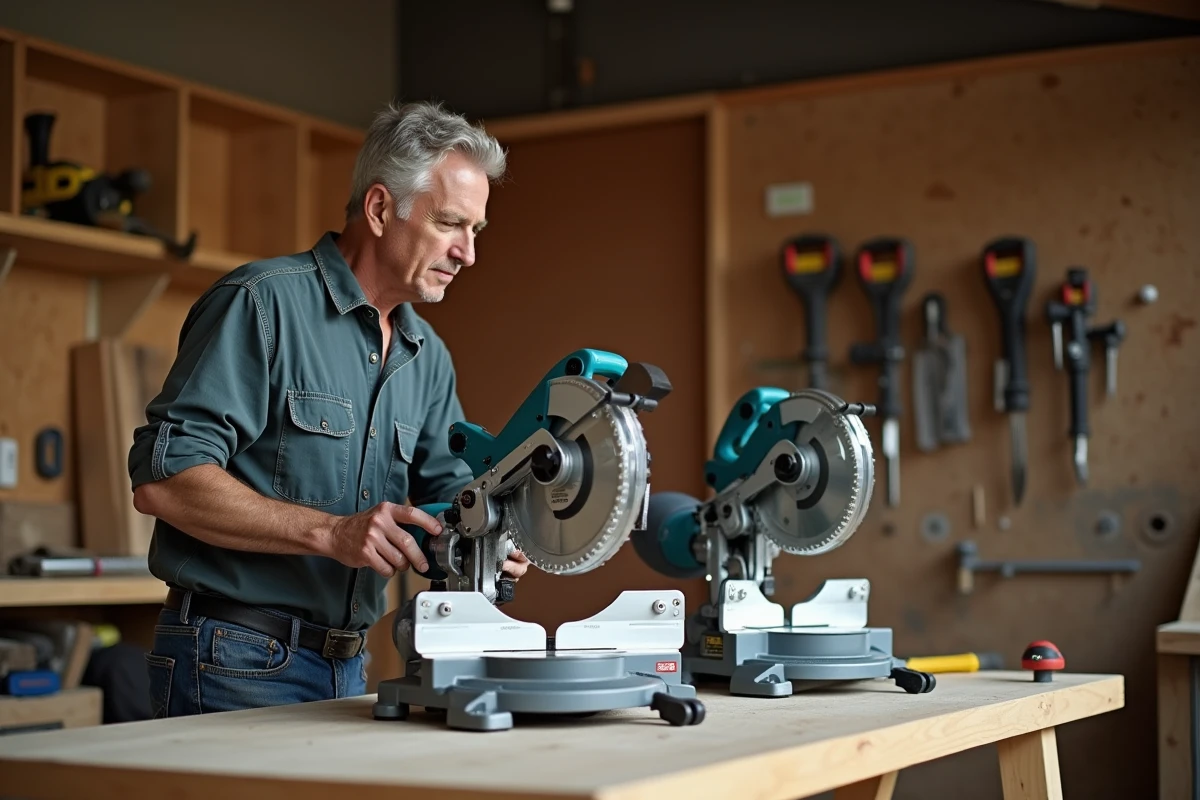
The price difference between two similar models can exceed 200 euros, with no direct correlation to the power or precision displayed. Some manufacturers prioritize ergonomics at the expense of longevity, while others focus on versatility with features that are rarely utilized.
The major differences do not always lie where the technical specifications suggest. Actual usage, the type of materials worked with, and the frequency of use impose more decisive criteria than simply reading the catalog. Choices are often based on unexpected compromises, far from purely commercial arguments.
Radial saw or miter saw: understanding the differences to better target your needs
When faced with a radial saw or a miter saw, two worlds collide: that of versatility and that of precision. To effectively target the right tool, one must grasp the difference between radial saw and miter saw. The radial saw, with its sliding arm, excels in wide cuts and tackles thick materials without flinching. In contrast, the miter saw emphasizes compactness: ideal for quickly and accurately cutting smaller pieces, it is essential on mobile job sites or for repeated angle cuts.
For those juggling with solid wood, composites, or multiple materials, the radial miter saw becomes an indispensable ally. Its blade glides over a stable table, allowing for angle cuts as well as wide straight sections. This impressive capability requires space: the footprint increases, which can be a concern in a tight workshop.
The miter saw, on the other hand, focuses entirely on precision and speed. Its compact format facilitates back-and-forth movements on job sites. Standard models appeal to both professionals and hobbyists, especially for cutting moldings, baseboards, or frames. Maneuverable and efficient, it allows for quick angle cuts without the hassle of tedious adjustments.
The type of saw directly impacts the finish, but quality also depends on the material being worked and the choice of blade. Before making a decision, ask yourself the right questions: how often will you use the machine? What width of piece do you want to cut? Does the diversity of applications matter? To explore further, the dedicated page on the difference between radial saw and miter saw on the specialized site remains a solid resource to consult.
What criteria to prioritize based on your usage, space, and budget?
The choice between a radial saw or a miter saw primarily depends on your concrete needs. The motor power stands out as a key indicator: a powerful motor ensures clean cuts, especially in tough materials. When tackling solid wood or multi-materials, keep an eye on the miter capacity and the cut width. These elements determine the size of the pieces you can work with, crucial for interior design or fine woodworking.
Ergonomics plays a significant role. An integrated laser guide enhances precision, while a sliding system provides stability during cutting. Dust management, often relegated to the background, becomes essential with a dust collection bag. The user thus enjoys healthier air and a less cluttered workshop.
Here are a few points to consider before making a decision:
- Consider the height and footprint of the device: a small workshop justifies a more compact model.
- Choosing a multi-material blade multiplies possibilities, provided the bore is compatible with your saw’s capacity.
- The value for money guides the choice, especially for those who regularly do DIY or for professionals who demand reliability and robustness.
Some manufacturers focus on die-cast aluminum to combine lightness and strength. Others pay attention to the sliding system, the laser guide, the handling, or the ease of maintenance. The chosen tool must keep pace with your rhythm, fit into the available space, and meet your precision expectations.
Recommended models for all profiles and the importance of consulting reliable comparisons
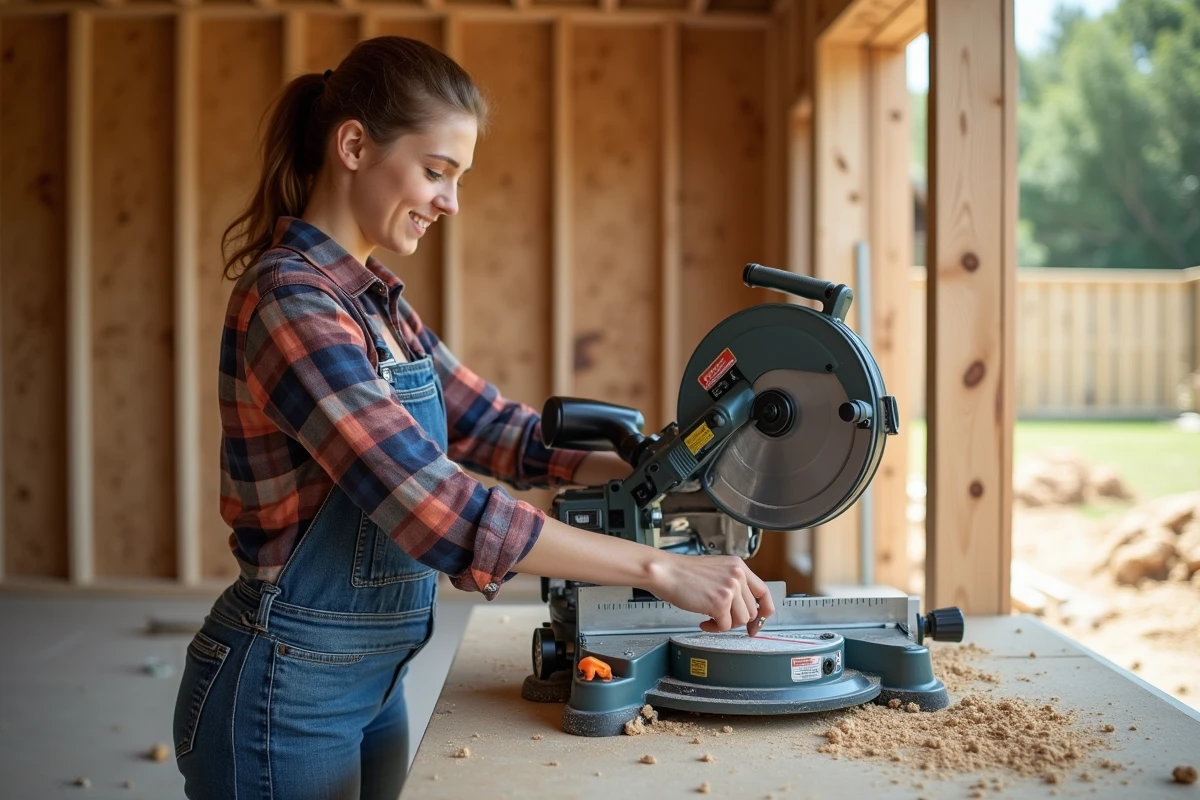
The range of miter saws and radial saws is vast, catering to every profile. Occasional users will lean towards a compact radial saw or miter saw, often equipped with lateral extensions to better support long pieces. Professionals, on the other hand, demand machines with multi-material technology and a powerful motor, designed to consistently and precisely execute cuts.
Some models prioritize ergonomics and robustness, featuring a smooth sliding system and an integrated laser guide for clean cuts. Others innovate in comfort, expanding the table, reinforcing lateral extensions, or optimizing the dust collection system to maintain workshop cleanliness. The choice of blade, suited to the motor’s power, remains crucial for versatility and precision, whether working with wood or composites.
To make the right choice, nothing beats consulting reliable comparisons, based on independent tests, user feedback, or detailed analyses of the value for money. Needs are diverse, and each model has its strengths: cutting capacity, stability, safety, efficiency on different materials. A reliable comparison also reveals the presence of lateral extensions, enhanced safety features, or graduated rotating tables, all options that make a difference based on individual pace and expectations.
In the end, between the displayed technique and the reality of the action, only the tool that fades away to give way to the precision of the completed work matters; it’s up to you to write the next chapter, saw in hand.