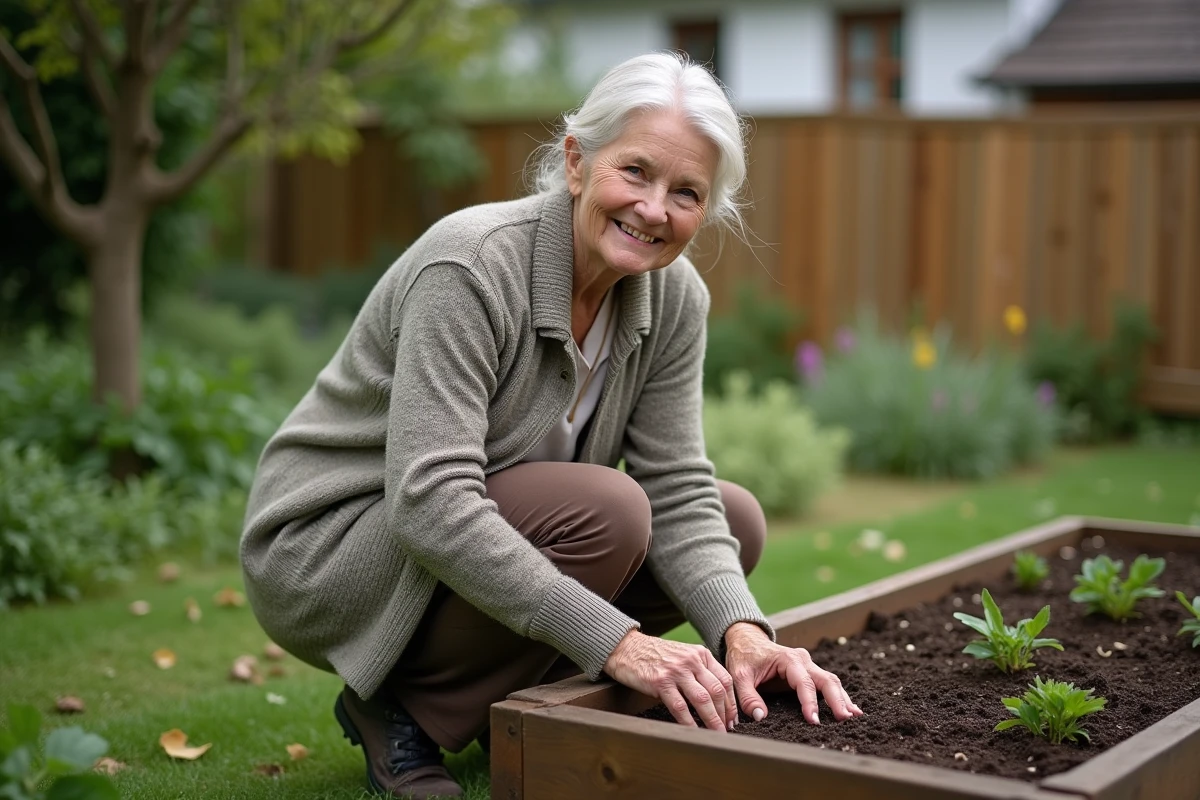
Beyond 60 years old, the transition to environmentally friendly habits is not hindered by age, but sometimes by a lack of knowledge about suitable solutions. Contrary to popular belief, individual environmental impact remains significant after retirement.
On the ground, multiple alternatives are emerging, designed to fit the desires, health, and lifestyle of seniors. These choices do not compromise comfort or well-being: they pave the way for a simpler, healthier daily life, where every action counts without disrupting established routines.
Why adopting a more ecological lifestyle after 60 changes the game
Seniors in France are not just passive observers of the ecological transition. They are living it, embodying it, and actively engaging in it. They are among the first to integrate new green practices into their daily lives, to prioritize sobriety, and to reduce their environmental footprint. One statistic shows this: 29% of them rank the environment among their priorities, according to the study Parlons Climat. Their involvement extends beyond their homes. It continues with their constant support for public policies on ecological transition and the trust they place in institutions to take action.
Engagement does not stop at the doorstep. Many invest their time in associations, sharing their experience and practical sense with those around them, especially the younger generation. Transmission becomes a guiding thread, whether it’s tips for saving water or discussions about climate issues with grandchildren. Events like Semaine Bleue reinforce these intergenerational exchanges and highlight the leading role of seniors in raising environmental awareness.
On the side of nursing homes, initiatives are emerging: photovoltaic panels installed on roofs, systematic waste sorting, collective gardening workshops. Residents are not passive: they participate in decisions, drive new dynamics, and demonstrate their ability to inspire future generations. This energy is also found online, on platforms like greenseniors.org, where advice, experiences, and practical resources circulate freely, tailored to the realities of aging.
For seniors, the ecological transition is not just about consuming differently or multiplying small gestures. It reflects a strong desire to preserve their quality of life while leaving behind a breathable world for their children and grandchildren.
What green gestures are truly suited to the needs of seniors?
Changing habits in favor of ecology is not an imposed obligation. It is often a logical progression, driven by experience and concern for the tangible. Seniors are more inclined to adopt accessible, simple gestures whose effectiveness is verified daily. Sorting waste, for example, is part of their routine. The numbers confirm it: those over 60 recycle more than their younger counterparts, driven by their commitment to resource preservation.
Shopping locally is an obvious choice. Buying seasonal fruits and vegetables at the neighborhood market, choosing short supply chains: these practices, sometimes inherited from a rural childhood or family tradition, now take on a strong ecological dimension.
Here are some everyday gestures that easily find their place in their lives:
- Repairing and maintaining their belongings: extending the lifespan of appliances, furniture, or clothing avoids waste and limits unnecessary purchases.
- Cooking at home: reducing packaging, valuing leftovers, passing on simple and tasty recipes.
- Prioritizing public transport and carpooling: reducing the use of individual cars, strengthening social ties during travel.
Far from excessive consumption, these choices fit into a logic of sobriety and sharing. Giving, exchanging, and pooling become reflexes. Adapting these behaviors to one’s needs, mobility, or desires is also about continuing to move forward without giving up comfort or values, while acting concretely for the planet.

Resources and concrete ideas to go further in daily ecology
Turning to responsible consumption makes perfect sense at a time when health, environment, and social connections converge. Prioritizing products from organic farming or fair trade supports production that respects both people and nature, while promoting the vitality of the local community. Many seniors have adopted second-hand, repair, or reuse practices, continuing old habits that have been modernized.
Zero waste is also gaining ground. Adopting solid cosmetics, for example, reduces waste and simplifies routines. Numerous workshops or associations offer training in making natural household products, accessible to everyone, regardless of age or experience. In terms of mobility, prioritizing carpooling, public transport, or even bike rentals helps limit carbon footprints while maintaining an active social life.
Here are some inspiring practices and their benefits:
| Practices | Benefits |
|---|---|
| Solid cosmetics | Reduction of waste, ease of daily use |
| Organic products | Environmental respect, better nutritional quality |
| Fair trade | Direct support for producers, positive impact on the local community |
| Alternative mobilities | Reduction of CO2 emissions, maintenance of social connections |
Ultimately, ecology is not limited to the choice of one product or another. Staying informed, sharing advice during Semaine Bleue, or getting involved in collective actions gives meaning to every effort. This is how seniors, day after day, are shaping a new way of living and acting, for themselves and for those who will follow them. The path is open, habits are evolving, and future generations will likely look at these pioneers with fresh eyes, perhaps even with gratitude.