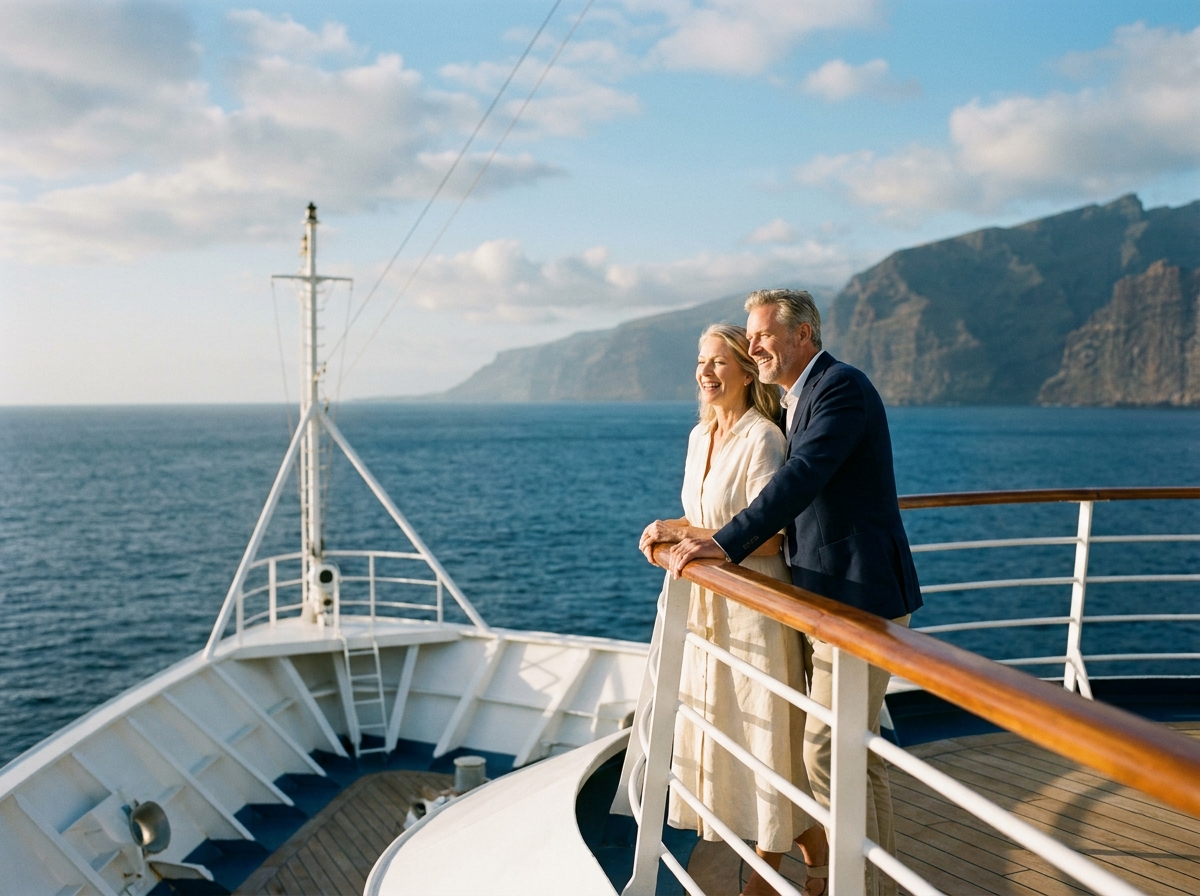
Around-the-world by boat is not just a series of exotic stops. The choice of itinerary, the duration of the journey, the type of ship, and recent regulatory constraints transform each circumnavigation into a radically different experience. Comparing these parameters allows us to measure what separates a classic world cruise from an extended stay at sea, and to determine which format corresponds to which expectations.
Duration, format, and itinerary: the differences between world cruise options
Not all world cruises are alike. The duration varies significantly depending on the company and the positioning of the ship. A complete tour generally lasts several months, but the segments offered can cover a fraction of the journey for travelers with less time.
| Criteria | Classic world cruise (premium company) | Residence ship (long-term stay) |
|---|---|---|
| Typical duration | About three to four months | Several years, with no fixed return date |
| Accommodation | Cabin or suite reserved for the crossing | Cabin purchased or rented long-term |
| Itinerary | Defined route, planned stops | Evolving itinerary, adjusted according to the seasons |
| Target audience | Travelers seeking a complete and structured experience | Maritime nomads, retirees, remote workers |
| Flexibility | Boarding on partial segments sometimes possible | Permanently residing on board |
The concept of residence ship, promoted by projects like the MV Narrative from Storylines, pushes the logic of sea travel towards a nomadic lifestyle rather than a one-time journey. The failure of the Life at Sea Cruises project, which never set sail despite ambitious promises, reminds us that not all operators keep their commitments in this still-emerging segment.
The budget for a world cruise directly depends on these parameters. The price reflects the duration, the level of service on board, the number of stops, and the size of the ship, all variables that make any hasty comparison misleading.

Environmental standards and itineraries: what changes for travelers
Since 2023, the gradual implementation of the Carbon Intensity Indicator (CII) mandated by the International Maritime Organization has changed the routes offered by companies. Older or less efficient ships must reduce their emissions, resulting in visible operational choices for passengers.
- More nights at sea between two stops, to optimize cruising speed and limit fuel consumption
- Replacement of some major ports with less congested secondary ports, reducing engine-on waiting times
- Reduction of passages through polar areas (Norwegian fjords, Arctic, Antarctic), subject to increasingly strict local restrictions on fuels and ship sizes
These constraints redraw the map of itineraries. A world tour planned five years ago would not resemble the one offered today. The controlled emission zones now cover a significant portion of European and North American coasts, forcing shipowners to use low-sulfur fuels or exhaust gas treatment systems.
For travelers, the impact is measured in terms of canceled or replaced stops. The Norwegian fjords, once among the highlights of northern circumnavigations, now welcome fewer large cruise ships. In Antarctica, the number of passengers allowed ashore at the same time is limited, prompting some companies to remove these segments from their world tours.
Premium world cruise: the criteria that make the difference
In the premium segment, the size of the ship directly influences the quality of the experience. A large-capacity cruise ship offers more infrastructure (restaurants, spa, shows), but has difficulty accessing certain secondary ports or small anchorages. Smaller ships, favored by luxury companies, dock at stops inaccessible to the giants of the seas.
The passenger-to-crew ratio is another reliable indicator. The lower this ratio, the more personalized the service is. Ultra-luxury companies boast ratios close to one-to-one, resulting in almost personalized assistance on a daily basis.
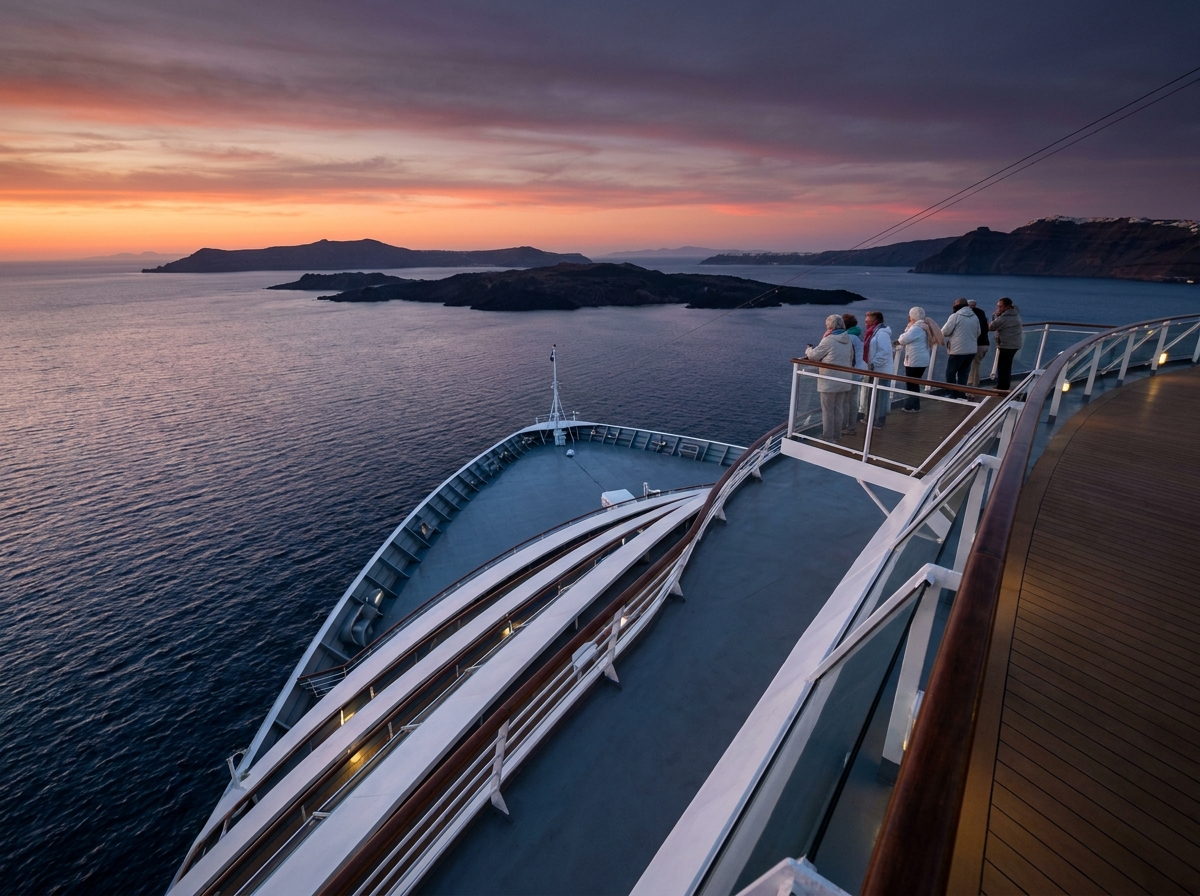
The choice between river and ocean also changes the nature of the journey. River cruises, popular in Egypt along the Nile Valley or on the Danube, offer a slow discovery of landscapes and local history. They do not cover the entire world, but provide a depth of immersion in a country or region that large cruise ships cannot offer.
Selecting a world cruise: pitfalls to check before departure
The marketing promise of a world cruise sometimes masks less appealing realities. Some itineraries announce dozens of stops, but the time spent at port is limited to a few hours, insufficient for a real visit. Checking the actual duration at each port of call allows you to distinguish a route designed for discovery from one created for display.
- Stops of less than half a day often only allow for an organized bus tour, with no free time
- Consecutive days at sea (sometimes four or five in a row) suit travelers who enjoy life on board, but frustrate those who prioritize visits
- Segments sold separately may seem advantageous, but the daily rates are often higher than on a complete tour
- Cancellation and modification policies vary widely from one company to another, especially on bookings made several months in advance
The displayed price does not always include the same services. Some companies include excursions, drinks, and tips. Others charge each item separately, which can significantly increase the final bill.
Prestige cruise positions itself as a specialist in high-end maritime travel, with a selection of premium cruise offers aimed at clients sensitive to the refinement of destinations. For travelers considering a world tour or an extended stay at sea, this type of specialized support allows for smoother navigation among the many options on the market.
Around-the-world by boat remains one of the most ambitious travel formats. Recent regulatory constraints, the diversity of formats (classic, residence, partial segment), and the differences in services between companies make comparison all the more necessary. The longest itinerary is not always the richest, and a well-calibrated stay on a suitable ship will provide more than a discounted circumnavigation.