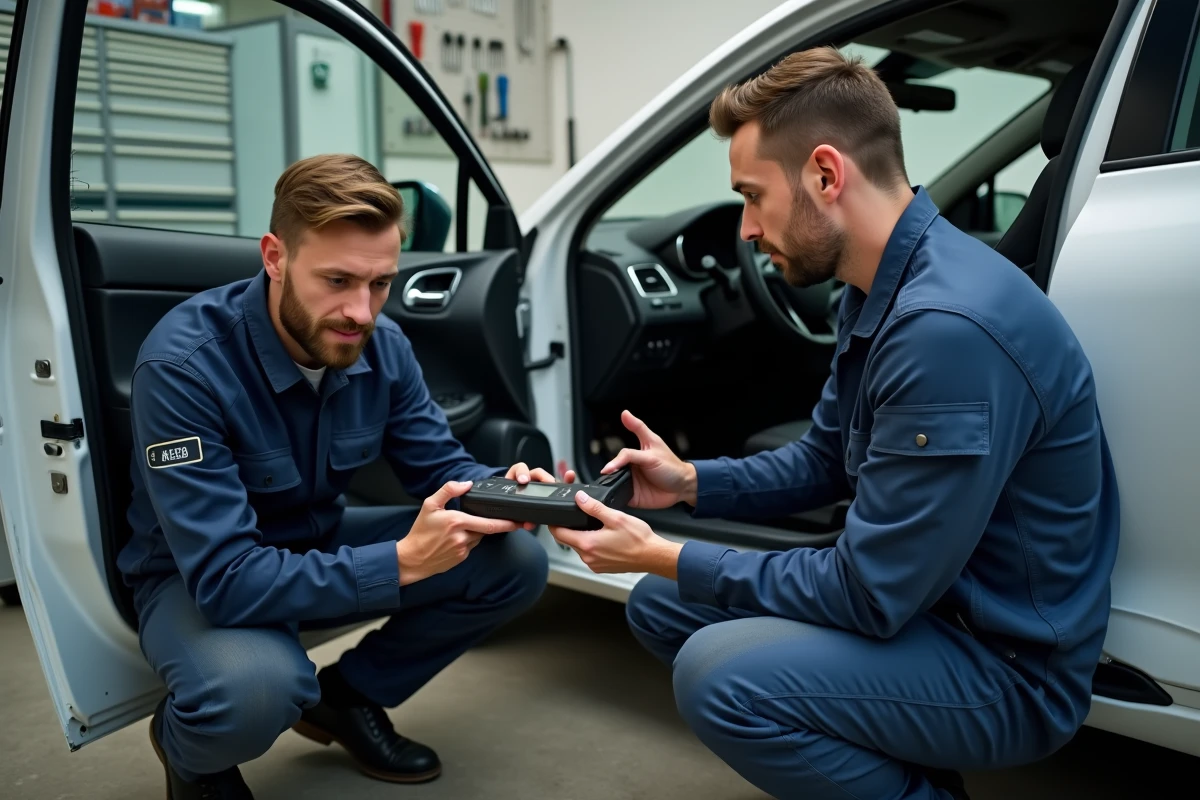
The fault code 1525F3 indicates an inconsistency in the multiplexed data between the electronic control units of Renault and Dacia vehicles. This manufacturer code, distinct from generic OBD codes, affects engine torque management and can trigger a limp mode with power loss. Before replacing any parts, one avenue deserves priority exploration: that of non-compliant modifications that disrupt communication between modules.
Code 1525F3 and non-compliant modifications: the first avenue to check
On specialized forums and from feedback from multi-brand garages, a clear correlation emerges between the appearance of the 1525F3 and unofficial interventions on the vehicle. Engine reprogramming of type stage 1, software removal of AdBlue or EGR, deactivation of the particulate filter: these modifications alter data exchanges on the CAN bus and generate inconsistencies that the injection control unit interprets as a multiplexed fault.
Renault and Dacia diesel vehicles equipped with a DPF monitored via LIN/CAN bus are particularly affected. When the mass or power supply of the DPF module has been altered during a replacement of the exhaust line or an illegal removal of the filter, the control unit detects inconsistencies in the active mass of soot. The result: a persistent 1525F3 that neither code clearing nor mass airflow sensor replacement will resolve.
Several diagnostic technicians report that the fault disappears after reverting to the original mapping or proper reprogramming by a suitably equipped tuner. This is a point to clarify before incurring any expenses on spare parts, relying on a repair guide for code 1525f3 Renault Dacia that details the appropriate diagnostic procedure.
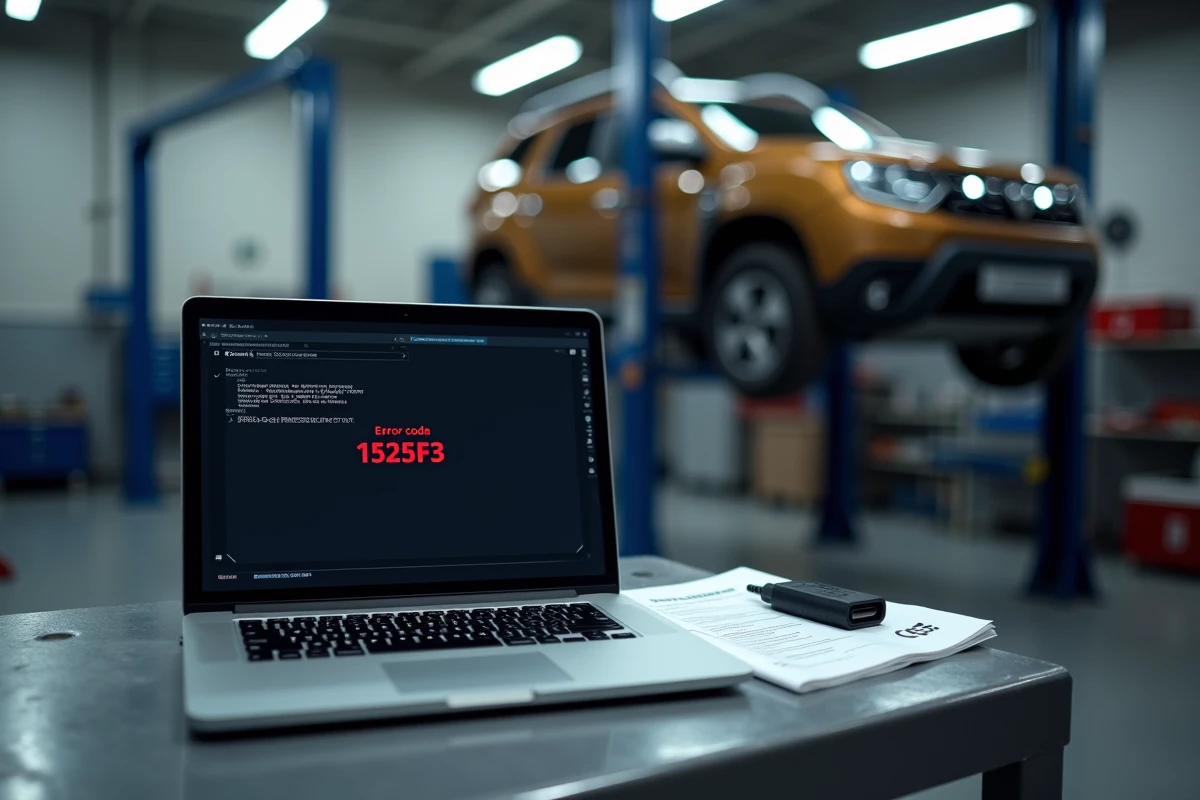
Anti-tinkering checklist before part replacement
Replacing a torque sensor or mass airflow sensor without ruling out a software cause amounts to treating a symptom. Here are the checks to systematically conduct before ordering any parts.
- Read the engine mapping with a tool capable of identifying a reprogramming (comparison of the checksum with the original manufacturer version). If the file has been modified, note it before any other intervention
- Check the state of the pollution control system: DPF physically present and connected, differential pressure sensor plugged in and functional, AdBlue module operational if the vehicle is originally equipped
- Inspect the electrical harnesses and connectors of the CAN bus, particularly around the exhaust line and engine compartment, looking for makeshift connections, cut wires, or disconnected connectors
- Ensure that no aftermarket accessory (power add-on box, permanent OBD port, poorly wired GPS tracker) disrupts the vehicle’s multiplexed network
- Consult the history of software updates for the injection control unit and UCH from the manufacturer network to verify if a quality campaign applies to the vehicle
This checklist helps eliminate the most common causes of false positives. On Duster and Captur dCi models produced after 2018, discreet quality campaigns within the manufacturer network offer a software update for the injection control unit or UCH, without part replacement, which is sufficient to resolve the issue.
Electronic diagnosis of error code 1525F3: beyond the basic OBD scanner
A generic OBD scanner reads the code 1525F3 but does not provide the manufacturer-specific data needed to understand the source of the multiplexed inconsistency. Relevant diagnosis requires a tool capable of reading CAN frames in real-time and accessing specific Renault parameters.
The goal is to compare the values transmitted by the engine control unit and the transmission or assistance control unit at the same moment. A divergence in the torque request, for example, points to a faulty sensor or a module sending corrupted data. Field reports vary on this point: some workshops identify a steering torque sensor as a frequent source, while others point to the cruise control system whose information travels over the same network.
Torque sensor and cruise control
The code 1525F3 encompasses several distinct technical scenarios. The cruise control or speed limiter communicates its torque request to the injection control unit via the multiplexed network. A malfunction of the stalk switch, an intermittent contact on the connector, or corrosion on the pins is enough to cause the detected inconsistency.
The torque sensor, when involved, sends erratic values that the control unit cannot correlate with other engine parameters. Before its replacement, testing the continuity of the harness and the condition of the connectors remains the priority, as a simple contact issue can produce the same symptoms as a faulty sensor.

Software update of Renault and Dacia control units: an underestimated solution
Replacing parts attracts attention, but the software cause of 1525F3 is documented on several models. Updates to the injection control unit correct multiplexed communication bugs identified by the manufacturer after the vehicles were put into circulation.
These fixes do not always trigger an official recall. They are disseminated as quality campaigns accessible only at dealerships, and the owner is not always informed. A visit to an authorized workshop with reading of the software calibration number allows one to know if the vehicle is operating with an outdated version.
However, a software update will not correct a proven hardware fault. If the electronic diagnosis shows out-of-range sensor values or damaged wiring, the software fix alone will not suffice. The logical sequence remains: check for non-compliant modifications, inspect the wiring, apply the software update if available, and only then consider replacing the implicated component.
The code 1525F3 often resists random elimination approaches of parts. On a vehicle with an unclear maintenance history, the avenue of prior tinkering deserves to be explored before any other hypothesis. A rigorous diagnosis, conducted with the right tools and in the correct order, avoids unnecessary replacements and accumulating bills without resolving the real issue.